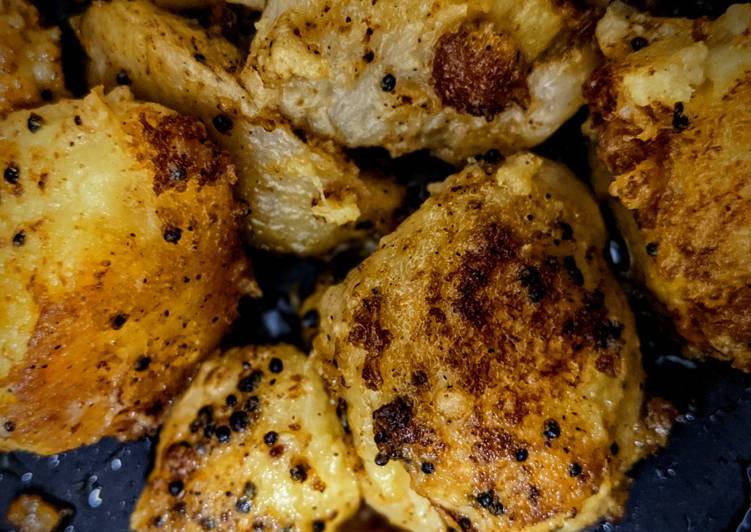
Sepankazhangu roast/ Taro Root roast. I am a die hard fan of Onion Sambar + Seppankizhangu fry combo. I found the Seppankizhangu fry (Taro Root Stir-Fry) in many wedding reception as this is being. Give this crispy sepankazhangu roast a try!
Preserving food health is mandatory for everyone who cooks. Consisting of the dishes provided must utilize healthy and balanced ingredients.
Food is something that can make a household gather. Delicious home cooking menu, can make your partner and also youngsters also extra affectionate. Although straightforward cooking, house food preparation made with love will have an unique impact.
There are numerous scrumptious dishes that can become household faves. The recipe can be the main food selection that is both appealing as well as filling. Below are recipes around Sepankazhangu roast/ Taro Root roast, which are our picks for you to try in the house:.
 Arbi or Taro roots are rich with carbohydrates, vitamins, minerals, fibre.
It is a complete food with rich nutrition value added to it.
Seppankizhangu Roast - Taro root ( Arbi root / Colocasia ) Seppankizhangu Fry Recipe #Tarorootroast #Seppankizhanguroast #Colocasiarecipes #Arbifry.
We can prepare Sepankazhangu roast/ Taro Root roast using 8 active ingredients and 6 actions. Below is how we attain.
Arbi or Taro roots are rich with carbohydrates, vitamins, minerals, fibre.
It is a complete food with rich nutrition value added to it.
Seppankizhangu Roast - Taro root ( Arbi root / Colocasia ) Seppankizhangu Fry Recipe #Tarorootroast #Seppankizhanguroast #Colocasiarecipes #Arbifry.
We can prepare Sepankazhangu roast/ Taro Root roast using 8 active ingredients and 6 actions. Below is how we attain.
Ingredients of Sepankazhangu roast/ Taro Root roast
- Guidelines. 250 gms of sepankazhangu (taro root).
- Detaile. 2 tablespoons of oil.
- Detaile. 1 tsp of mustard seeds.
- Step by step. 1 tsp of red chilli powder.
- Detaile. 1/2 tsp of asafoetida.
- Detaile. 1/2 tsp of turmeric powder.
- Guidelines. to taste of salt.
- Instructions. 3 cups of water.
Taro root also is known as seppankizhangu in Tamil and arbi in Hindi is a root vegetable used in Asian cuisine. Taro root is also a starchy vegetable and is cooked just like a potato. We will see how to make seppankizhangu roast or arbi fry with the help of instant pot. Arbi roast-Colocasia recipe-Seppankizhangu roast-Taro root fry.
How to Process To Make Sepankazhangu roast/ Taro Root roast
- Wash the vegetable thoroughly under cold water. Arrange them in a rice cooker basket..
- Full the bottom part of the rice cooker with water and set the mode to "White Rice". Wait to finish cooking..
- Once cooked, wash off the tubers again and press gently to peel off the skin. Now, the inside texture is very mushy..
- Run it under cold water again now. Let it dry. Meanwhile, toss a pan with oil and add all spices needed for it. When the seeds start sputtering; toss in the tubers and mix well..
- Let it cook on medium high flame..
- Note: Running under cold water after peeling is optional. Personally, I do it to ensure that it stops cooking the root and any allergen on it is washed off or reduced to a good extent. You can skip this just direct peel and start to sauté..
This is such an easy and tasty fry which is very common in my house and also loved by everybody in my family. It goes well with Mor Kulambu. Seppankizhangu Roast is an extremely easy and delicious side made by shallow frying masala coated slices of Seppankizhangu No week will fly past without featuring Sambar and Seppankizhangu Roast for lunch. Such is my love for this roast and since marriage. Recreating my mom's taro roast/fry has taken its time.
Hopefully the recipes above can maintain your family members together. Collect in a fun environment.